



-
Product Categories
-
Featured Products
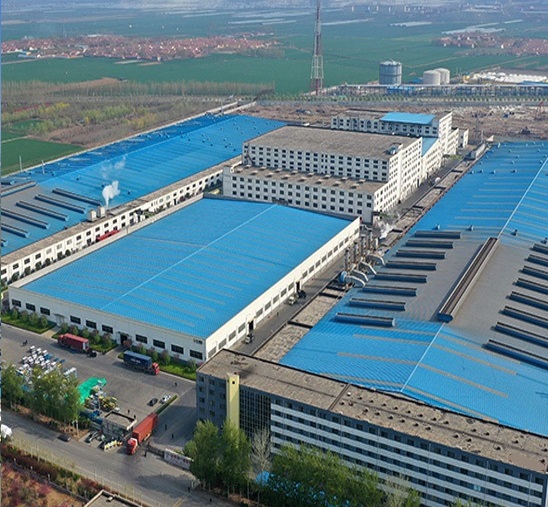
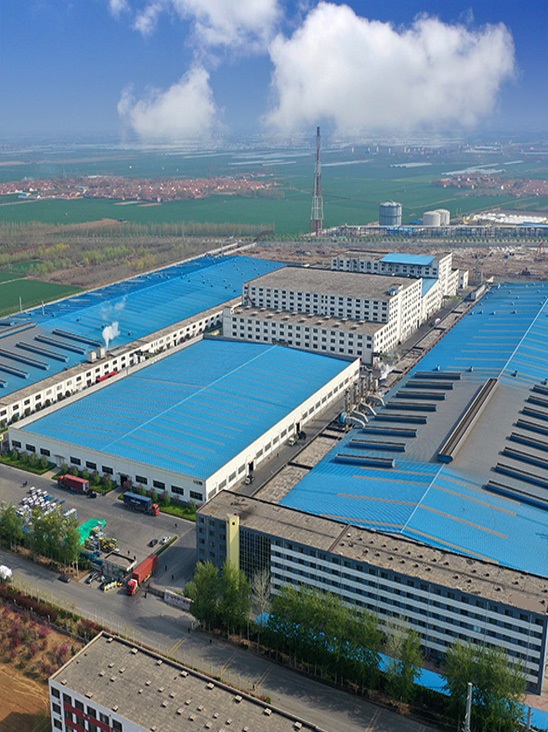
SUNGDA FACTORY AREA
Material Composition of High-Quality Conveyor Belts (from ContiTech & Dunlop)
Rubber conveyor belts are not manufactured from pure natural rubber; they belong to multi-component polymer composite materials. The rubber compound system mainly consists of elastic raw rubber matrix, reinforcing filling system, vulcanization crosslinking system, anti-aging system, softening and plasticizing system and functional additives. Pure raw rubber accounts for only 45%~55% of the total mass of the rubber compound, and more than half of the remaining components are various powder fillers, oils and chemical additives. Meanwhile, the conveyor belt is equipped with an independent skeleton reinforcement structure (EP, steel cord, etc.), which serves as the core tension-bearing component and is not part of the rubber compound system. The industry uniformly adopts the phr measurement standard (the total mass of raw rubber is defined as 100 parts, and other raw materials are calculated by relative mass fraction).
1. Basic Composition System of Rubber Compound
1.1 Raw Rubber Matrix (Elastic Core)
Industrial conveyor belts adopt blended raw rubber systems. A single type of rubber cannot satisfy the comprehensive requirements of wear resistance, tear resistance, aging resistance and cost control, so specific rubber types are selected for different working conditions:
Natural Rubber (NR): Excellent elasticity, strong tear resistance and good adhesion, moderate wear resistance and heat resistance. It is widely used in general conveyor belts with a dosage of 50~70 phr.
Butadiene Rubber (BR): Outstanding wear resistance and low heat build-up. It is commonly blended with natural rubber and acts as the key rubber for wear-resistant conveyor belts at 30~40 phr.
Styrene Butadiene Rubber (SBR): Good wear resistance, aging resistance and cost performance. Mainly applied in general economical conveyor belts and fabric coating rubber layers.
Ethylene Propylene Diene Monomer (EPDM): Excellent heat resistance, ozone resistance, acid & alkali resistance and weather resistance, suitable for high-temperature, open-air and chemical corrosion environments.
Nitrile Butadiene Rubber (NBR): Superior oil resistance, the general-purpose rubber preferred for oil material conveying applications.
Chloroprene Rubber (CR) / Chlorosulfonated Polyethylene (CSM): Inherent flame retardancy, commonly used for flame-resistant conveyor belts in underground coal mines.
1.2 Five Major Auxiliary Systems
Auxiliaries determine the processing performance, service life and working condition adaptability of conveyor belts, and are essential to convert plastic raw rubber into high-performance elastomer.
Reinforcing and Filling System
This is the auxiliary system with the largest dosage, directly determining the strength, wear resistance and hardness of conveyor belts. High wear-resistant carbon black (N220, N330) is the primary reinforcing filler to improve tensile strength and impact resistance. Semi-reinforcing carbon black (N660), calcium carbonate, talc and other inert fillers are added as extenders to reduce cost. White carbon black can improve tear strength and adhesive property. Recycled rubber is added to economical grades for further cost control.
Vulcanization Crosslinking System
This core system transforms raw rubber from plastic state into elastic state. General rubbers (NR/BR/SBR) use sulfur vulcanization system with zinc oxide and stearic acid as activators, combined with compound accelerators such as CZ, DM and M to control vulcanization rate. Heat-resistant EPDM adopts peroxide vulcanization system to avoid reversion under high temperature.
Anti-Aging System
It prevents thermal-oxidative aging, ozone aging and dynamic fatigue aging, avoiding cracking, hardening and tackiness during service. Combined antioxidants RD, 4010NA and BLE are widely used. Microcrystalline wax is additionally added for open-air service to form a protective layer.
Softening and Plasticizing System
It improves mixing and calendering processability, reduces compound viscosity, and enhances adhesion between rubber and fabric/steel cord. Aromatic oil, naphthenic oil and coumarone resin are used for general formulas. Ester plasticizers replace petroleum oils for oil-resistant applications, and petroleum-based oils are forbidden.
Special Functional Auxiliaries
Custom added for special operating environments, including flame retardants (aluminum hydroxide, antimony trioxide), coupling agents, antistatic agents, release agents, colorants, to meet requirements of flame retardancy, corrosion resistance, anti-static and other special properties.
2. Structural Formula Characteristics of Conveyor Belt
A complete conveyor belt is not made of a single rubber compound. Formulas differ greatly according to the function of each layer:
- Upper cover rubber (material contact side): high rubber content and high loading of high-wear carbon black, focusing on impact resistance and abrasion resistance.
- Lower cover rubber (roller contact side): mainly designed for flex resistance and low heat generation.
- Buffer rubber: high-elasticity formulation to absorb impact loads and protect the skeleton structure.
- Friction / skim rubber: low rubber content, to boost fiber penetration and bonding strength of fabric layers.
3. Comparison Table of Formulas & Parameters for Various Conveyor Belts (from ContiTech & Dunlop)
Notes:
- Unit: phr (total raw rubber = 100 parts), industry standard formulation unit.
- Reference standards: DIN 22102 (German Industrial Standard), RMA (Rubber Manufacturers Association of America, mining standard).
- Data represents typical mature formulations. Manufacturers may adjust formulations slightly according to requirements.
| Conveyor Belt Type | Reference Standard | Raw Rubber Matrix (phr) | Core Reinforcing Filler | Vulcanization System | Anti-aging Auxiliaries | Functional Auxiliaries | Core Performance Characteristics |
|---|---|---|---|---|---|---|---|
| General Wear-resistant Belt | DIN 22102RMA Grade I / II | NR70 + BR30 | N220/N330 high wear-resistant carbon black 45~50phr | Zinc oxide 4~5phr, Stearic acid 1~2phr, Sulfur 2.0~2.4phr, CZ+DM compound accelerator 0.8~1.4phr | Antioxidant RD 2phr + 4010NA 1~1.5phr | Aromatic oil 6~10phr, Coumarone tackifying resin | High wear resistance and impact resistance, suitable for normal temperature ore transportation; RMA Grade I has better abrasion resistance than Grade II |
| Economic Wear-resistant Belt | DIN 22102 Economic TypeRMA Grade III | NR40+SBR60, recycled rubber 30~50phr (optional) | N660 semi-reinforcing carbon black 40~45phr, calcium carbonate 10~20phr | Zinc oxide 4phr, Stearic acid 1.5phr, Sulfur 2.2phr, M+CZ accelerator | Antioxidant RD 2phr | Naphthenic oil 8~12phr | Low cost, slightly decreased wear resistance and tear resistance, suitable for light-load sand and gravel transportation |
| Heat-resistant Belt | DIN 22102 Heat ResistanceRMA Heat Resist | EPDM 100 | N550/N660 carbon black 40~50phr, a small amount of white carbon black | Zinc oxide 5phr, Stearic acid 1phr, DCP peroxide vulcanization (sulfur-free system) | RD+MB compound antioxidants 2.5~3.5phr | Paraffin oil, low-volatility plasticizer, coupling agent | Max continuous temperature up to 175℃, excellent thermal oxidative aging resistance; for high-temperature clinker and sinter ore |
| Flame-retardant Belt | DIN 22102 Flame RetardantRMA Fire Resistant | CR70+SBR30 / CSM100 | Semi-reinforcing carbon black 40~45phr, aluminum hydroxide 60~100phr, antimony trioxide 4~8phr | Zinc oxide 5phr, Stearic acid 1.5phr, Sulfur 1.5~2.0phr, NA-22 accelerator | RD+BLE compound antioxidants 2.5~3phr | Chlorinated paraffin (flame-retardant plasticizer), tackifying resin | Self-extinguishing, low smoke emission, for underground coal mines; conductive carbon black can be added for anti-static requirement |
| Oil-resistant Belt | DIN 22102 Oil ResistanceRMA Oil Resist | NBR 100 (acrylonitrile 33~36%) | N330 carbon black 40~50phr | Zinc oxide 5phr, Stearic acid 1phr, Sulfur 1.8~2.2phr, CZ accelerator | RD+4010NA compound antioxidants 2.5~3phr | Ester plasticizer (aromatic oil prohibited) | Excellent resistance to mineral oil and lubricants, for oil materials, grain and oil products conveying |
| Acid-base Resistant Belt | DIN 22102 Chemical ResistanceRMA Chemical Resist | CR100 / EPDM100 | N660 carbon black 35~40phr, talc/kaolin filler | Zinc oxide 5phr, Stearic acid 1.5phr, Sulfur 1.5~2.0phr; EPDM adopts peroxide vulcanization | RD antioxidant, wax-based ozone resistant agent 3phr | Low-polarity plasticizing oil, coupling agent | Resists dilute acid and dilute alkali, suitable for pickling materials and chemical waste residue; lined rubber is recommended for strong corrosion conditions |
| Ozone / Weather Resistant Belt | DIN 22102 Weather ResistanceRMA Weather Resist | EPDM80+NR20 | N550 carbon black 40phr, a small amount of white carbon black | Zinc oxide 5phr, Stearic acid 1phr, peroxide vulcanization | RD+4010NA antioxidants, microcrystalline wax 3~4phr | Paraffin oil, tackifying resin | Superior ozone cracking resistance and anti-UV aging, suitable for long-distance open-pit mine transportation |
4. Component Mass Fraction & Common Industry Misconceptions
4.1 Mass Proportion of Finished Cover Rubber (General Wear-resistant Grade)
Raw rubber (NR+BR) ≈50%, carbon black and inorganic fillers ≈30%, softening oil and resin ≈8%, various functional auxiliaries ≈12%.
4.2 Common Misconceptions
- Misconception: Conveyor belts are mainly composed of pure rubber. Correction: Rubber is merely the elastic matrix with a high proportion of powder fillers, making it a typical composite material.
- Misconception: Higher natural rubber content delivers better performance. Correction: Pure natural rubber shows poor abrasion resistance. Industrial wear-resistant belts must be blended with butadiene rubber.
- Misconception: The black colour of conveyor belts comes from dyeing pigment. Correction: Black colour originates from reinforcing carbon black; no extra colourant is used.
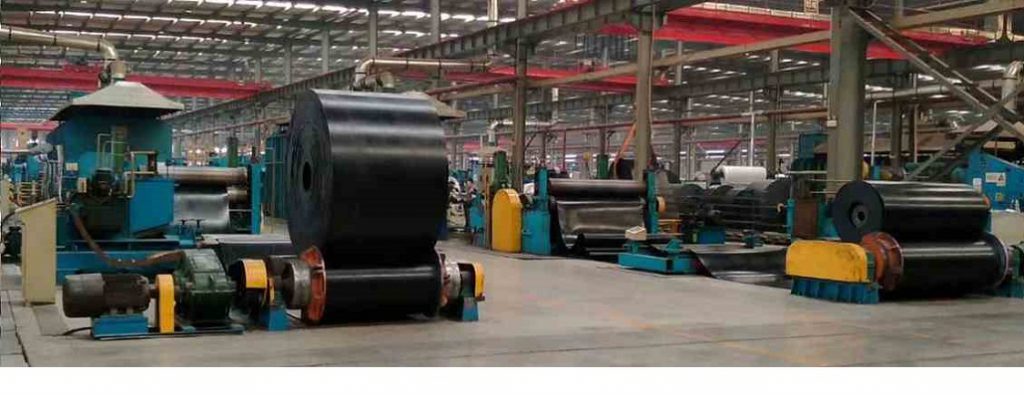
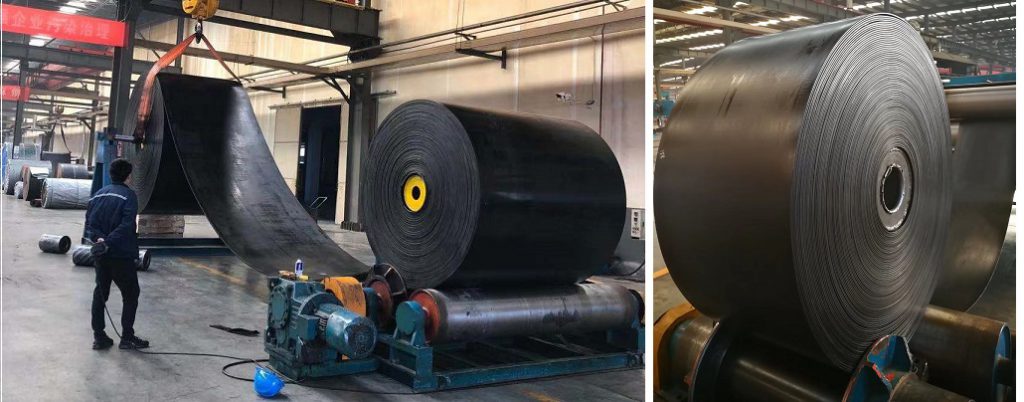
SUNGDA Conveyor Belt Vulcanization Workshops
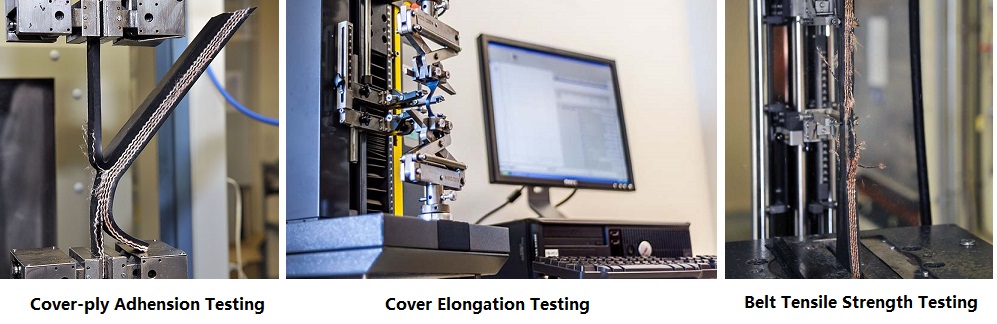
SUNGDA Conveyor Belt Testing Lab:
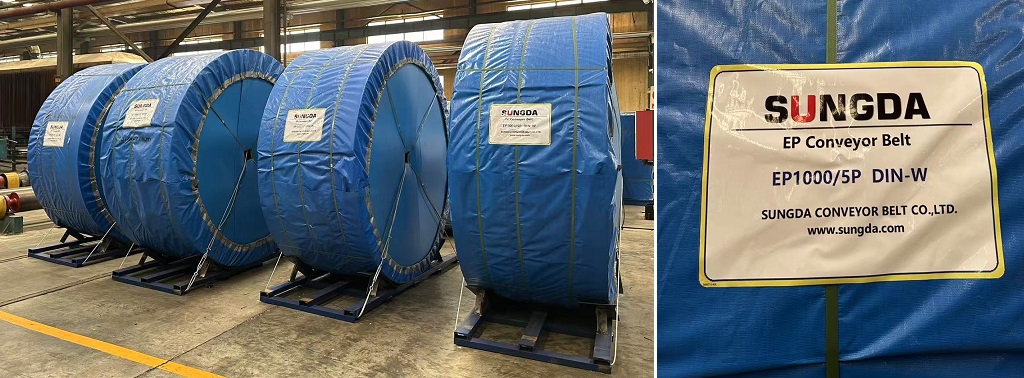
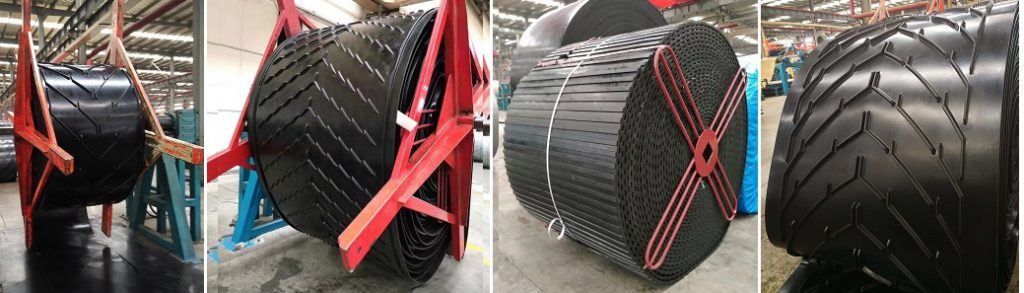
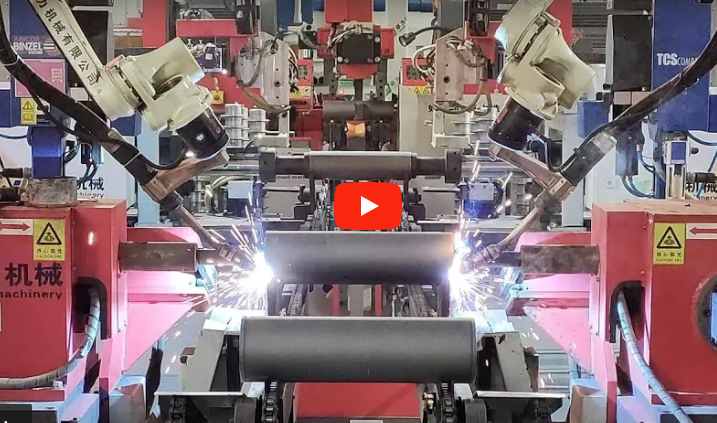
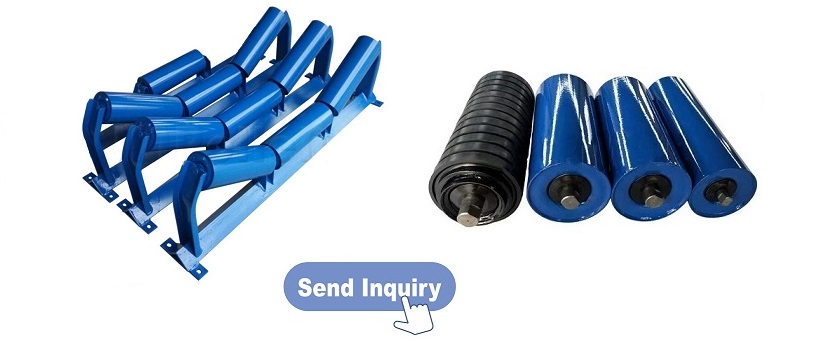
We also supply conveyor idler roller, pulley and conveyor bracket, please log to our branch company official website www.conveyoroller.com or click below picture for idler roller producing video.
SUNGDA Regular Customers:

How to identify the quality of the EP conveyor belt in 1 minute?
These adjustment methods can make the conveyor belt transport 50 tons more per hour!
What are the advantages of EP conveyor belts compared to other fabric carcass conveyor belt?
How does the bending of EP fabric affect the working life of the conveyor belt?
Tags: acid and alkali resistant belt,anti-aging agent,carbon black,composite material,Contitech,conveyor belt formulation,DIN 22102,EP conveyor belt,Heat resistant conveyor belt,NR BR SBR EPDM NBR CR CSM,oil resistant belt,ozone resistant belt,phr formulation,plasticizer,raw rubber compound,reinforcing filler,RMA standard,rubber additive,Rubber conveyor belt,Steel cord conveyor belt,vulcanization system,wear resistant belt
Related Products
-
How to Chooe Right Steel Cord Conveyor Belt
No. -
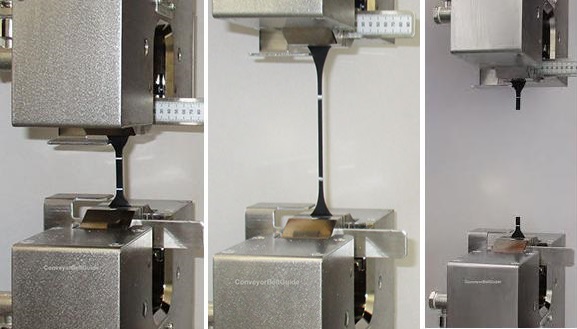
What are the Basic Indicators that Determine the Quality of Conveyor Belts?
No. -
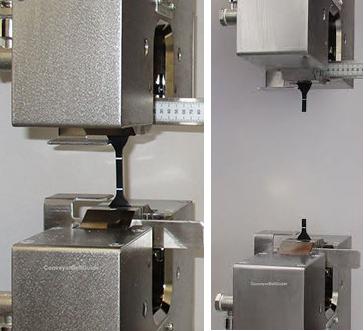
What Are the Tensile Strength and Elongation in Rubber Conveyor Belts?
No. -
What Are the Key Properties of T1, T2, T3, T4 Heat-Resistant Conveyor Belts?
No. -
What’s “kg/cm²” in Conveyor Belt and How Convert it into other Units?
No. -

How to Calculate PIW of Conveyor Belt?
No. -
How to Convert PIW Conveyor belt to EP Belt?
No. -
What is the difference between PSI and Mpa in conveyor belts and how to convert them to each other?
No. -
How to conduct conveyor belt troughing test
No. -
The Most Comprehensive National and Organizational Conveyor Belt Testing Standards
No.