



What Is Conveyor Belt Tensile Strength and Elongation at Break?
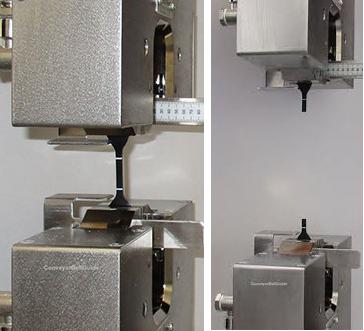
In technical descriptions of rubber conveyor belts, we often encounter terms like elongation at break, full thickness elongation at break, and tensile strength. These parameters respectively represent what characteristics of the rubber conveyor belt...

What Are AS, ASTM, and ISO Standards for Rubber Conveyor Belts?
In the rubber conveyor belt industry, AS, ASTM, and ISO are three important standards systems used to define product requirements, testing methods, material properties, and quality acceptance criteria. They represent different standardization org...
How to Correctly Select EPDM, SBR, and NBR Rubbers for Conveyor Belts?
In the conveyor belt manufacturing industry, EPDM, SBR, and NBR represent three critical synthetic elastomers. Their primary performance distinctions lie in their resistance to thermal degradation, hydrocarbon oils, atmospheric aging, and mechanical...
What is the adhesion strength of a conveyor belt?-SUNGDA
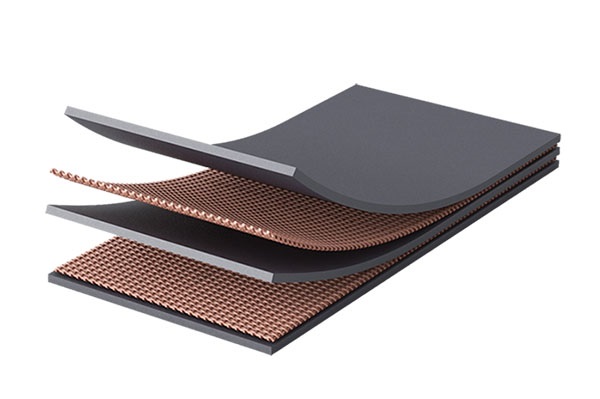
1. What Is Adhesion Strength in a Rubber Conveyor Belt? Adhesion strength is one of the most important quality indicators of a rubber conveyor belt. It refers to the bonding force between different layers and materials within the belt structu...

How to Convert PIW Conveyor belt to EP Belt?
We all know that “PIW”is an imperial unit used to describe EP conveyor belts, such as 220 PIW/2, 330 PIW/3, or 440 PIW/4, representing Pounds Per Inch of Belt Width. This unit is commonly used in the conveyor belt markets of North and South Amer...
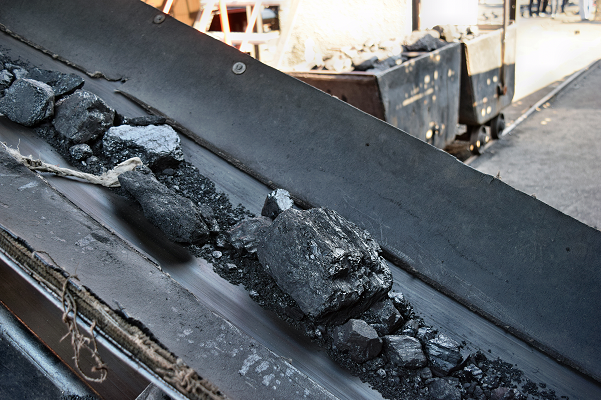
7 Common Causes of Conveyor Belt Tearing and What are the Preventive Measures?
The tearing of the conveyor belt generally has two categories: transverse tearing and longitudinal tearing. Most of the transverse tearing is caused by the rupture of the steel cord or EP fabric in the conveyor belt, which generally belongs to t...
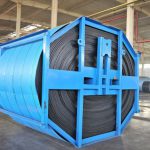
How to Choose Right EP Conveyor Belt?
Polyester conveyor belt, also known as EP conveyor belt, is composed of multiple layers of polyester fabric bonded together as the carcass material, the EP conveyor belt has small elongation, impact resistance, soft belt body, light weight...
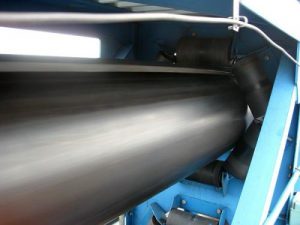
Pipe (Tubular)Conveyor Belt
General Introduction: Pipe conveyor belt (also called tubular conveyor belt)is used to support the pipe belt conveyor, with the help of external force in the whole transportation line or part of the transportation line of the conveyor b...
Material Composition of High-Quality Conveyor Belts (from ContiTech & Dunlop)
Rubber conveyor belts are not manufactured from pure natural rubber; they belong to multi-component polymer composite materials. The rubber compound system mainly consists of elastic raw rubber matrix, reinforcing filling system, vulcanization c...
What Are the Key Properties of T1, T2, T3, T4 Heat-Resistant Conveyor Belts?
In the technical description of conveyor belts, we often encounter T1, T2, T3, T4, and EPDM, which represent the performance of heat-resistant conveyor belts. What do these designations mean, and how are they different? Heat-resistant conveyor be...