



-
Product Categories
-
Featured Products
-
How to Correctly Select ”Tensile Strength”, ”Elongation”, ”Abrasion”, and ”Tear Resistance” for Conveyor Belt?
1. Introduction
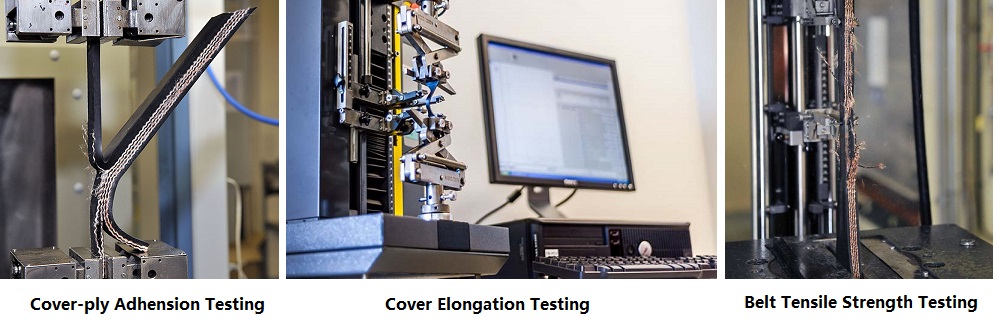
Tensile strength, elongation at break, abrasion resistance, and tear resistance are four fundamental mechanical properties of conveyor belt rubber. They determine the rubber’s ability to withstand tensile forces, deformation, surface wear, and tearing during operation.
These properties are closely related but serve different purposes. A rubber compound with high tensile strength does not necessarily have excellent abrasion or tear resistance. Therefore, buyers should select appropriate values according to the transported materials and operating conditions.
2. Understanding the Four Mechanical Properties
Tensile Strength
Tensile strength measures the maximum stress that rubber can withstand before breaking. It indicates the material’s resistance to tensile forces. Higher tensile strength generally means better resistance to stretching forces.
Elongation at Break
Elongation at break measures the percentage increase in rubber length before failure. It reflects the material’s flexibility and deformation capability. Both excessively low and excessively high values may be undesirable depending on the application.
Abrasion Resistance
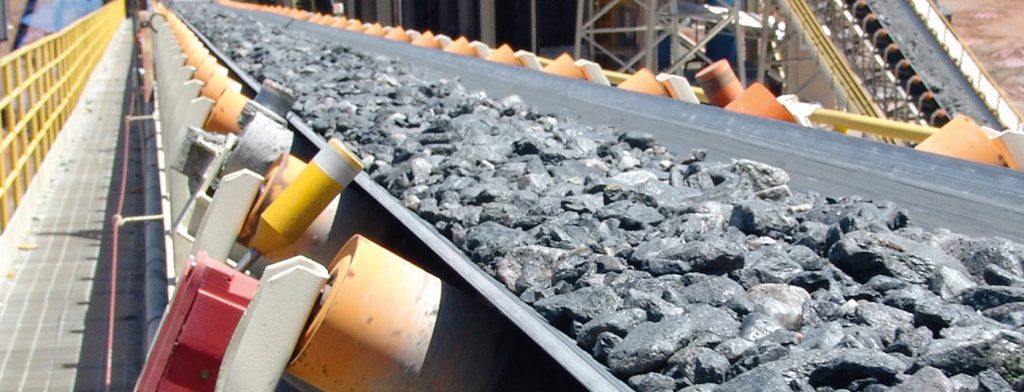
Abrasion resistance measures the ability of rubber to resist surface material loss caused by friction. It is particularly important when conveying abrasive materials such as limestone, coal, iron ore, and gravel. Lower abrasion volume loss indicates better wear resistance.
Tear Resistance
Tear resistance measures the ability of rubber to resist crack initiation and propagation. It is important when transporting sharp stones, oversized materials, or materials that may cause localized mechanical damage.
3. Comparison of the Four Properties
| Property | Main Function | Test Standard | Unit | Selection Objective |
|---|---|---|---|---|
| Tensile Strength | Resistance to tensile forces | ISO 37; DIN | MPa | Sufficient mechanical strength |
| Elongation at Break | Deformation before breaking | ISO 37; DIN | % | Appropriate flexibility |
| Abrasion Resistance | Resistance to surface wear | ISO 4649; DIN | mm³ | Lower volume loss |
| Tear Resistance | Resistance to tearing | ISO 34-1 | N/mm | Higher tear strength |
Note: ISO 37 is commonly used for rubber tensile properties. Conveyor belt carcass tensile strength is evaluated separately under the applicable conveyor belt standards.
4. How to Select Appropriate Rubber Performance Parameters
The following values can serve as indicative purchasing targets for conveyor belt cover rubber. Actual requirements should be confirmed according to the applicable product standard and rubber compound formulation.
| Property | General Purpose | Heavy-Duty Application | High-Performance Target |
|---|---|---|---|
| Tensile Strength (MPa) | ≥15 | ≥18 | ≥20 |
| Elongation at Break (%) | ≥350 | ≥400 | ≥450 |
| Abrasion Loss (mm³) | ≤200 | ≤150 | ≤90 |
| Tear Strength (N/mm) | ≥25 | ≥35 | ≥45 |
These are suggested procurement reference values, not universal ISO or DIN acceptance limits. Test conditions and specimen requirements must remain consistent when comparing results.
When selecting rubber compounds, buyers should consider the following:
1.Tensile strength: Important for resisting mechanical stress and maintaining rubber integrity.
2. Elongation: Important for accommodating deformation during repeated operation.
3. Abrasion resistance: Prioritize lower volume loss when transporting highly abrasive materials.
4. Tear resistance: Prioritize higher tear strength when handling sharp or oversized materials.
A balanced rubber formulation is generally more valuable than maximizing only one property.
5. Two Practical Application Cases
Case 1: Limestone Quarry Conveyor Belt
Operating conditions:
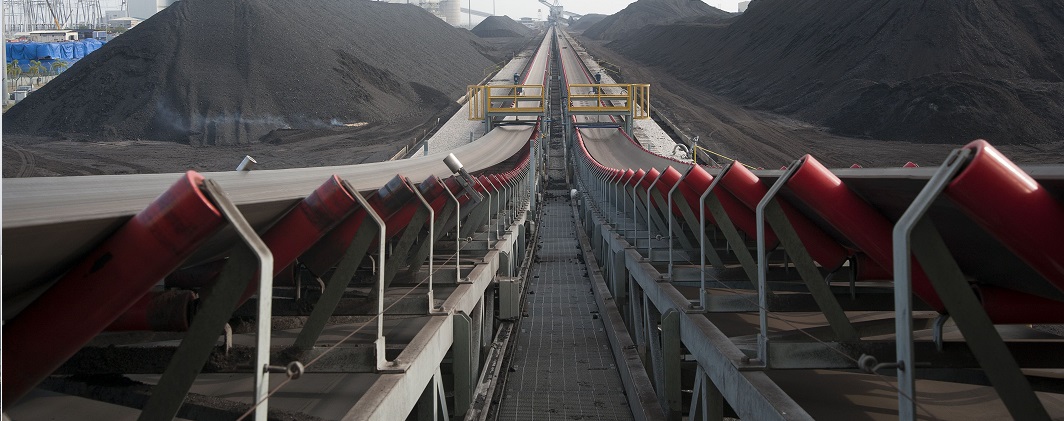
A limestone quarry transports approximately 1,200 tons of material per hour. Sharp stones measuring 50–150 mm create continuous friction, impact, and potential tearing.
Suggested rubber specifications:
| Parameter | Target Value |
|---|---|
| Tensile Strength | ≥18 MPa |
| Elongation at Break | ≥400% |
| Abrasion Loss | ≤120 mm³ |
| Tear Strength | ≥35 N/mm |
Engineering recommendation:
Abrasion and tear resistance should receive particular attention. A wear-resistant rubber compound with good tear strength can help reduce premature cover damage. Proper loading chute and impact bed design are also important for extending belt service life.
Case 2: Iron Ore Mining Conveyor Belt
Operating conditions:
An iron ore mine operates a long-distance conveyor transporting approximately 3,000 tons per hour. The material is hard, heavy, and abrasive, resulting in continuous wear and mechanical stress.
Suggested rubber specifications:
| Parameter | Target Value |
|---|---|
| Tensile Strength | ≥20 MPa |
| Elongation at Break | ≥400% |
| Abrasion Loss | ≤90 mm³ |
| Tear Strength | ≥45 N/mm |
Engineering recommendation:
Abrasion resistance and tear resistance are critical for this application. The rubber compound should maintain good mechanical strength while resisting continuous friction and localized damage. Rubber hardness, cover thickness, and adhesion performance should also be evaluated.
6. Conclusion
The four mechanical properties determine different aspects of conveyor belt rubber performance. Tensile strength provides mechanical strength, elongation at break reflects deformation capability, abrasion resistance determines wear performance, and tear resistance evaluates protection against tearing.
When purchasing rubber conveyor belts, engineers should not focus on a single parameter. A suitable balance of all four properties, combined with appropriate rubber hardness, cover thickness, and adhesion strength, is essential for achieving reliable performance and longer service life.
Sungda Conveyor Belt Co.,Ltd

Tags: abrasion rate,abrasion resistance,anti-tear conveyor belt,conveyor belt maintenance,elongation at break,EP conveyor belt,Ep conveyor belt specification,Rubber conveyor belt,Steel cord conveyor belt,tear resistance,TENSILE STRENGTH
Related Products
-
What Is the Tear Resistance of Rubber Conveyor Belts?
No. -
How to Choose the Right Oil-resistant Conveyor Belt?
No. -
What Is Conveyor Belt Tensile Strength and Elongation at Break?
No. -

What Are AS, ASTM, and ISO Standards for Rubber Conveyor Belts?
No. -
How to Correctly Select EPDM, SBR, and NBR Rubbers for Conveyor Belts?
No. -
What is the adhesion strength of a conveyor belt?-SUNGDA
No. -
EP Conveyor Belt EP400/3,EP500/4,EP630/4,EP800/4-SUNGDA GROUP
No. -

DIN-X,DIN-W,DIN-Y and DIN-Z Rubber Conveyor Belt –SUNGDA
No. -

How to Convert PIW Conveyor belt to EP Belt?
No. -
7 Common Causes of Conveyor Belt Tearing and What are the Preventive Measures?
No.