



Steel cord conveyor belt joint solution
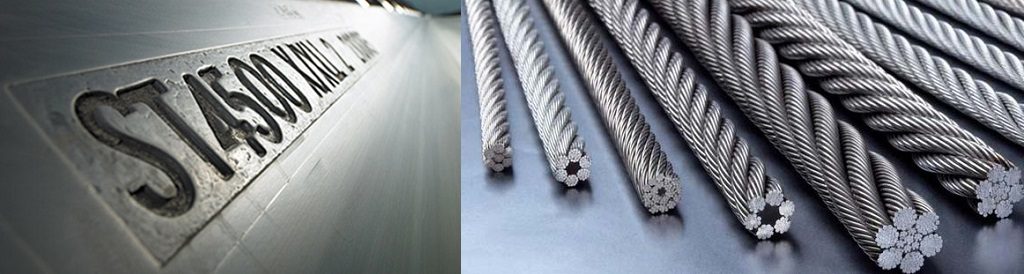
There are four types of steel cord conveyor belt bonding: first-order, second-order, third-order and fourth-order lap. The choice of different overlap types is mainly related to the average effective distance, that is, the thickness of the adhesive l...
How to quickly repair scratches on conveyor belts
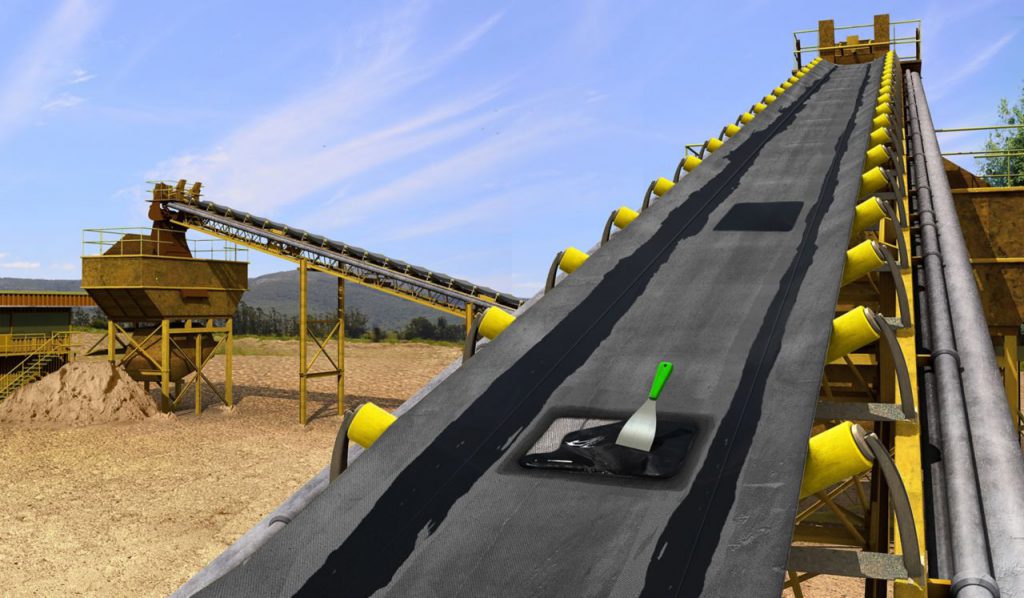
Rubber conveyor belt is an important part of conveying materials, mainly used for conveying solid materials in mining, metallurgy, steel, coal, hydropower, building materials, chemical industry, grain and other enterprises. Due to the poor quality of...
Development status of polyester (EP)conveyor belt
The high-strength polyester fabric (EP) conveyor belt is a new type of conveyor belt composed of polyester cloth as a stretch material and polyvinyl chloride plastic as a cover rubber. It has higher strength and more than ordinary conveyor belts. Goo...
How to improve the delamination of EP conveyor belt
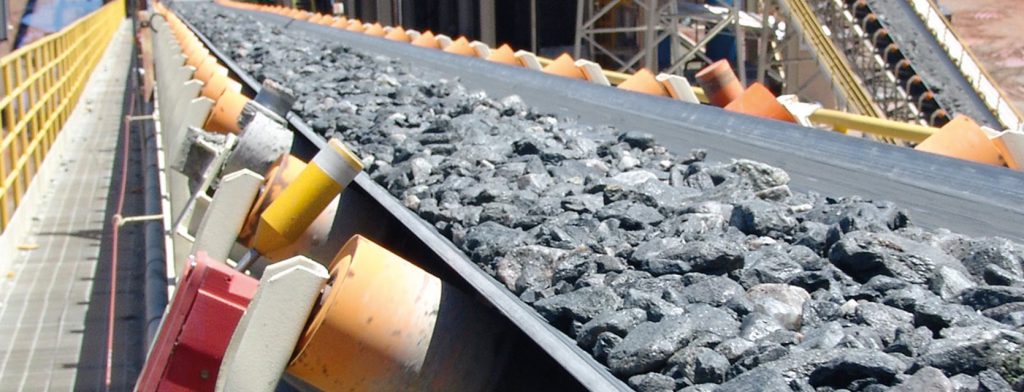
With the rapid development of the coal industry, the demand for EP conveyor belts has greatly increased. EP conveyor belt has the characteristics of impact resistance, corrosion resistance, high strength, light belt body and long service life. Becaus...

What is the “Tensile Strength” of Rubber Conveyor Belt, and What Affects It?
When describing the specifications and models of rubber conveyor belts, we often encounter “Tensile Strength”, what does this mean? The tensile strength of the conveyor belt refers to the ultimate ability of the rubber covering layer to ...
Why EP conveyor belts are the most widely used in the world
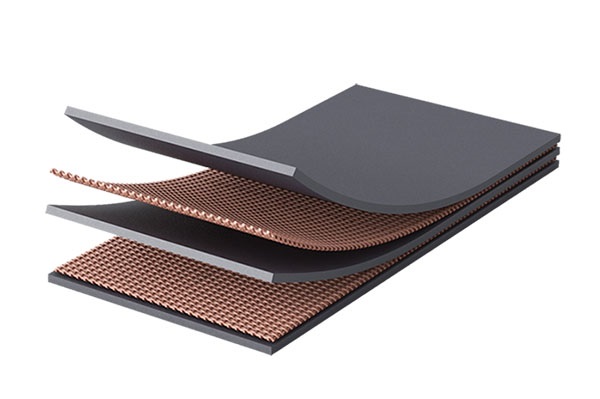
The EP fabric layered conveyor belt is suitable for transporting various block, granular and large and medium items under general conditions. EP layered fabric core conveyor belt has now served many mines, power, building materials, coal, ports, met...
How to Choose Right EP Conveyor Belt –SUNGDA Group
Polyester conveyor belt, also known as EP conveyor belt, is composed of multiple layers of polyester fabric bonded together as the carcass material, the EP conveyor belt has small elongation, impact resistance, soft belt body, light we...
7 main reasons for “tearing” of EP conveyor belts and preventive storage measures
There are two types of tearing in EP conveyor belts: transverse tearing and longitudinal tearing. The transverse tearing is mostly caused by the cloth layer or wire rope break in the EP EP conveyor belt, which generally belongs to the quality of the ...
The core of the conveyor belt-carcass structure and formula
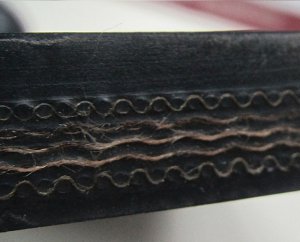
Common carcass materials for heat-resistant conveyor belts: polyester fabric(EP), nylon(NN), aramid fabric, cotton fabric(CC), etc. (1)In addition to the above-mentioned commonly used carcass materials, heat-resistant belts, steel cord(ST), new hollo...
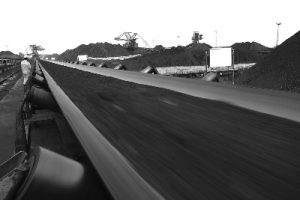
Causes and solutions of friction between conveyor belt and idler
The conveyor belt will rub against the conveyor idler during use. Generally, the friction between these two types of equipment is inevitable. However, in actual use, the friction between the conveyor belt and the conveyor idler will become larger, s...