



-
Product Categories
-
Featured Products
-
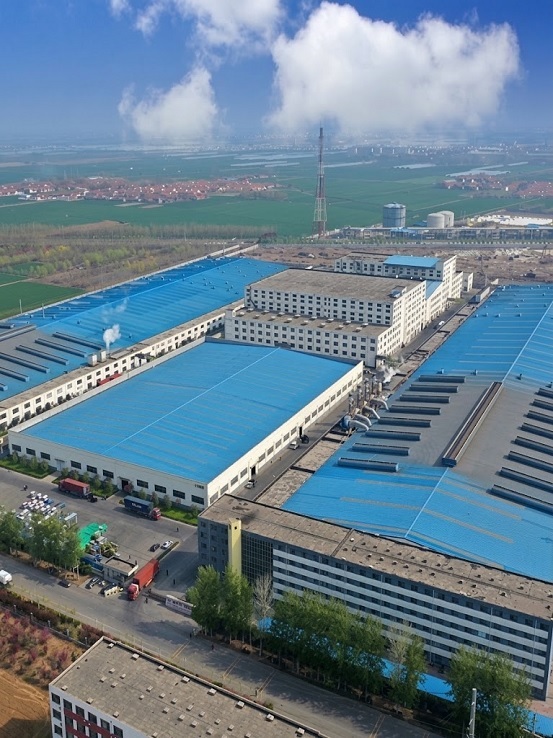
How to Correctly Select EPDM, SBR, and NBR Rubbers for Conveyor Belts?
In the conveyor belt manufacturing industry, EPDM, SBR, and NBR represent three critical synthetic elastomers. Their primary performance distinctions lie in their resistance to thermal degradation, hydrocarbon oils, atmospheric aging, and mechanical abrasion.
Executive Summary
- EPDM: Engineered for elevated temperatures, atmospheric ozone, UV radiation, and thermo-oxidative aging.
- SBR: Provides high abrasion resistance and cost efficiency, serving as the standard choice for bulk material handling.
- NBR: Offers high resistance to swelling in mineral oils, fuel, and animal/vegetable fats.
I. Polymer Classifications & Primary Characteristics
1. EPDM — Ethylene Propylene Diene Monomer
- Key Properties: Superior resistance to heat aging, ozone attack, UV radiation, and weathering.
- Primary Applications: Handling cement clinker, sintered ore, hot castings, specialized chemical media, and long-term outdoor installations.
2. SBR — Styrene-Butadiene Rubber
- Key Properties: Excellent abrasion resistance, solid tensile strength, and cost efficiency.
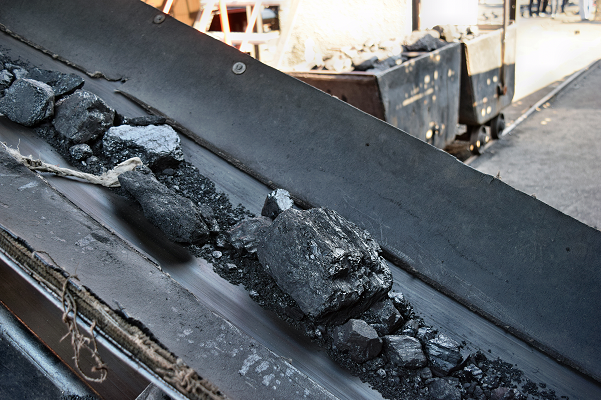
- Primary Applications: Transporting aggregate, coal, run-of-mine ore, cement raw materials, and non-corrosive bulk solids.
3. NBR — Nitrile-Butadiene Rubber
- Key Properties: Exceptional resistance to non-polar solvents, mineral lubricants, petroleum-based fuels, and greases.
- Primary Applications: Conveying oily metal scrap, machined components, oil-bearing crops/seeds, oily waste, and food-grade materials (with FDA-compliant compounding).
II. Qualitative Performance Comparison
| Performance Characteristic | EPDM | SBR | NBR |
| Abrasion Resistance | Good | Excellent | Good |
| High-Temperature Resistance | Excellent | Fair | Fair |
| Oil Resistance | Poor | Poor | Excellent |
| Ozone Resistance | Excellent | Poor | Poor |
| UV Resistance | Excellent | Poor | Poor |
| Thermo-Oxidative Aging | Excellent | Fair | Fair |
| Acid / Alkali Resistance | Good | Fair | Medium-dependent |
| Relative Raw Material Cost | High | Economical | High |
Note: The properties listed above reflect baseline compound performance. Actual belt performance depends on filler loading (e.g., carbon black, silica), plasticizer choice, vulcanization systems (sulfur vs. peroxide), and operating conditions.
III. Specific Conveyor Belt Applications by Polymer Type
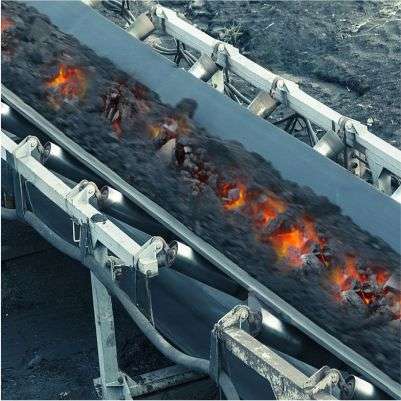
1. EPDM: Heat-Resistant (HR) & Super Heat-Resistant (SHR) Belting
EPDM forms the base polymer for belts operating in continuous high-temperature environments.
- Cement Plants: Clinker discharge, hot calcined materials.
- Steel & Metallurgical Plants: Sintered ore, pelletized feed, hot coke.
- Foundries: Shakeout sand, hot castings.
- Chemical Processing: Environments combining heat and mild acid/alkali exposure.
- Outdoor Conveying: Exposed overland belts subject to high solar radiation and ozone concentration.
Technical Consideration: EPDM performance varies by grade and cross-linking density. Continuous operating temperatures and intermittent thermal spikes must be evaluated against belt speed, cover thickness, and bed dwell time. Standard EPDM compound is non-oil-resistant and swells rapidly when exposed to hydrocarbon oils.
2. SBR: General-Purpose & High-Abrasion Belting
SBR is the workhorse elastomer for standard material handling cover compounds.
- Key Advantages: Excellent wear resistance, high cut-and-gouge resistance, good dynamic fatigue properties, and favorable cost structures.
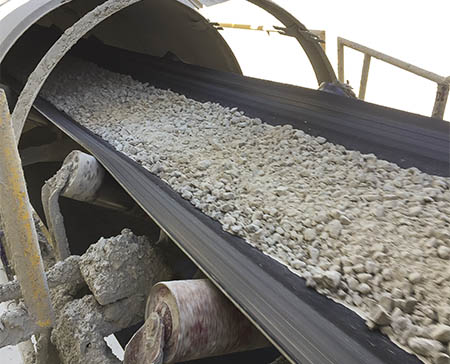
- Typical Uses: Coal preparation plants, aggregate quarries, port bulk terminals, and ambient-temperature cement manufacturing.
Technical Consideration: Standard cover compounds rarely use pure SBR. They are typically blended with Natural Rubber (NR) or Polybutadiene Rubber (BR) (e.g., NR/SBR or NR/SBR/BR) to balance resilience, tear propagation resistance, low-temperature flexibility, and wear resistance. Higher SBR ratio alone does not automatically equate to better abrasion performance.
3. NBR: Oil-Resistant (OR) Belting
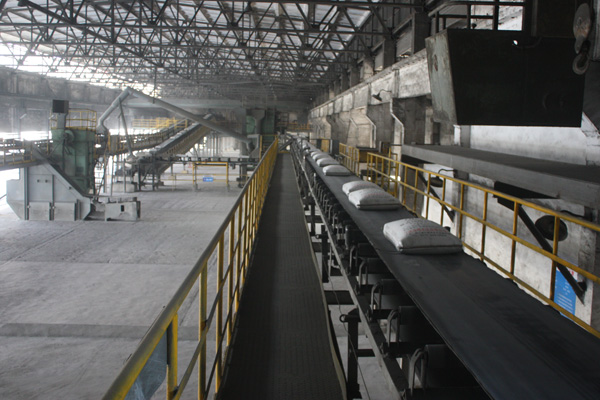
Standard NR/SBR covers absorb hydrocarbons, leading to swelling, softening, loss of tensile strength, and cover delamination. NBR maintains polymer matrix integrity in contact with fats and oils.
- Typical Uses: Machining plants handling oily turnings, automotive scrap lines, oilseed extraction plants, oily sludge handling, and food-grade conveying lines.
Technical Consideration: Swelling resistance in NBR is governed by its Acrylonitrile (ACN) content. Higher ACN content improves oil resistance but reduces low-temperature flexibility. For applications requiring simultaneous heat and oil resistance, HNBR or specialized NBR/PVC blends are specified.
IV. Material Selection Matrix for Manufacturers and Procurement
| Conveyed Material / Operating Environment | Recommended Polymer Blend | Key Selection Criteria |
| Ambient Aggregate, Rock, Ore | NR / SBR or NR / SBR / BR | Abrasion resistance, impact resistance, tear strength |
| General Coal Handling | NR / SBR | Balanced tensile strength, flex fatigue, wear resistance |
| Hot Cement Clinker | EPDM (Peroxide Cured) | Thermo-oxidative aging resistance, heat-crack resistance |
| Hot Sintered Ore | Premium High-EPDM Compound | Extended heat resistance, resistance to hot-spot degradation |
| Materials with Mineral Oils / Hydrocarbons | NBR or NBR / SBR | Resistance to hydrocarbon swelling and softening |
| Animal Fats / Vegetable Oils | High-ACN NBR (Food Grade if required) | Fatty acid resistance, compliance with food safety standards |
| High Solar / Outdoor Exposure | EPDM or EPDM/SBR Blends | Ozone cracking resistance, UV stability |
V. Elastomer Blending & Polymer Compatibility
Elastomer blending is standard practice in industrial compound design to achieve balanced mechanical properties and cost profiles:
- NR + SBR: Combines the high resilience, tensile strength, and tear resistance of natural rubber with the abrasion and heat-aging resistance of synthetic styrene-butadiene.
- NR + SBR + BR: Enhances wear resistance, hysteresis performance, and sub-zero temperature flexibility.
- NBR + SBR: Balances baseline oil resistance with mechanical durability and material cost control.
- EPDM + Compatible Polymers: Used in specific formulations to achieve balanced ozone stability, heat endurance, and processability.
Technical Consideration: Polymer compatibility, cure kinetics, and phase morphology must be carefully managed. Due to vast differences in unsaturation levels between EPDM and highly unsaturated rubbers (NR, SBR, BR), co-vulcanization requires specialized cross-linking chemistry to prevent phase separation and poor interfacial bonding.
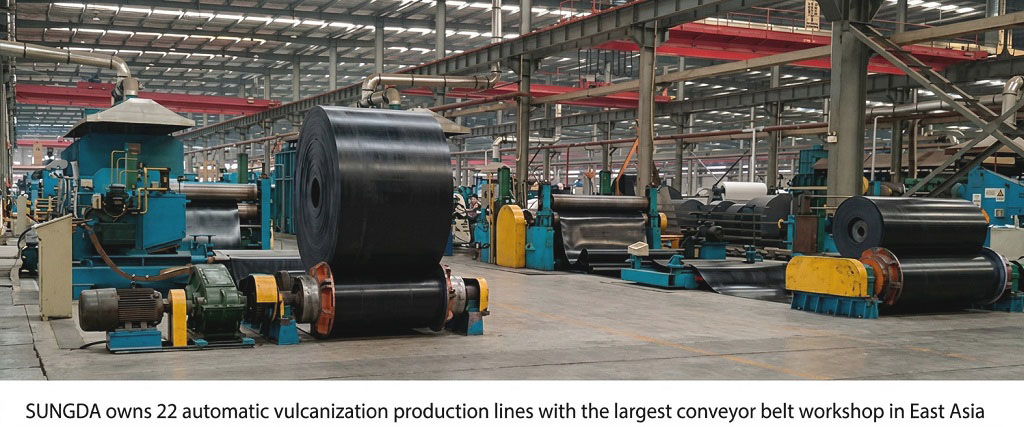
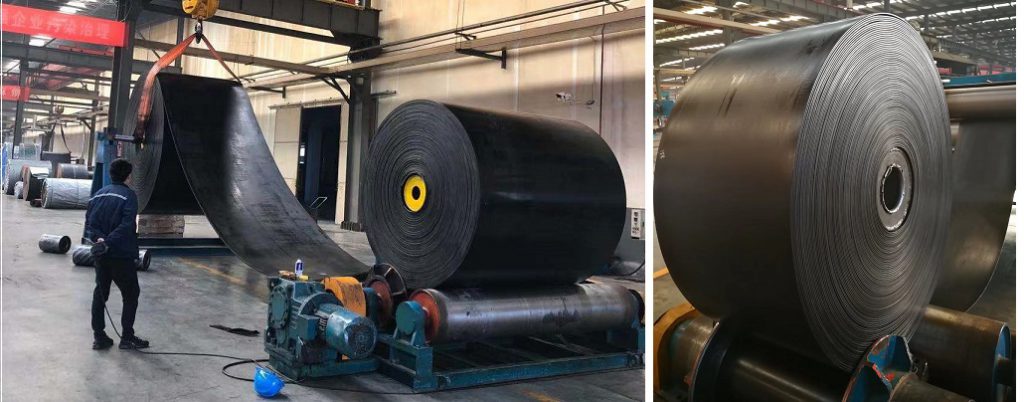
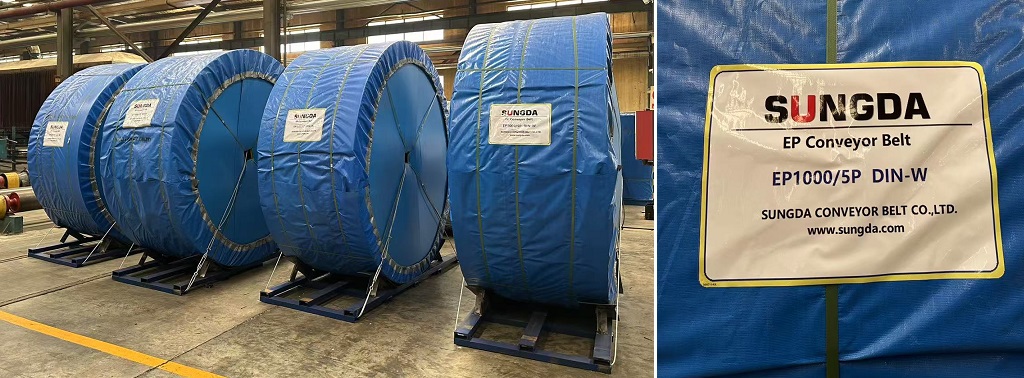
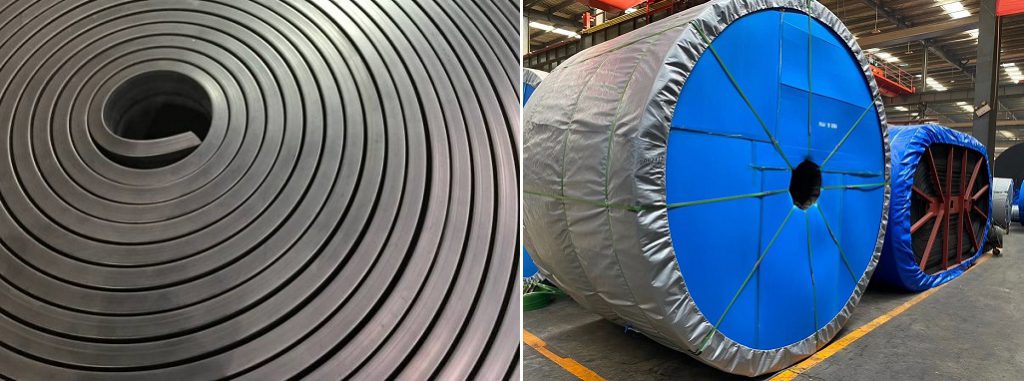
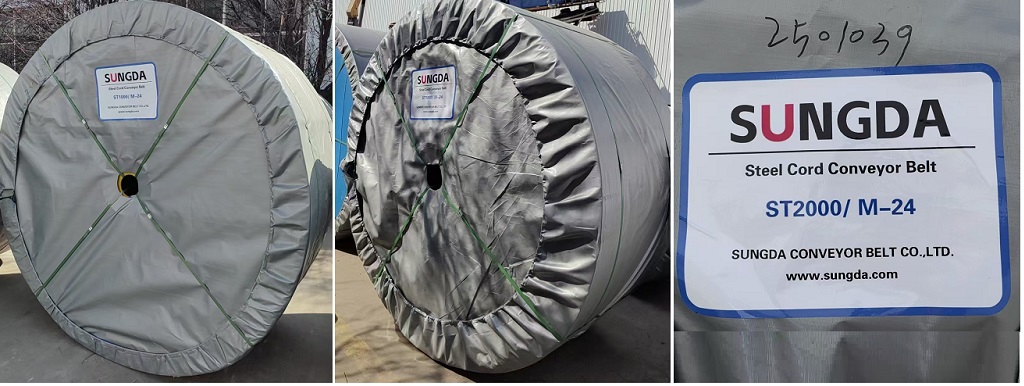
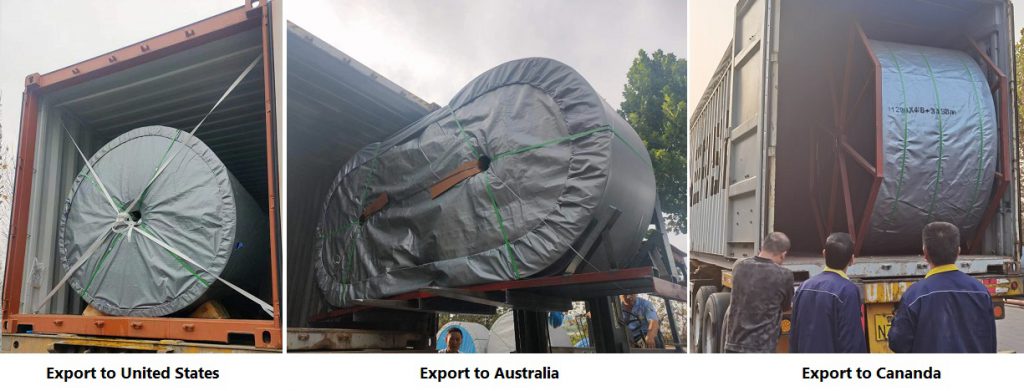
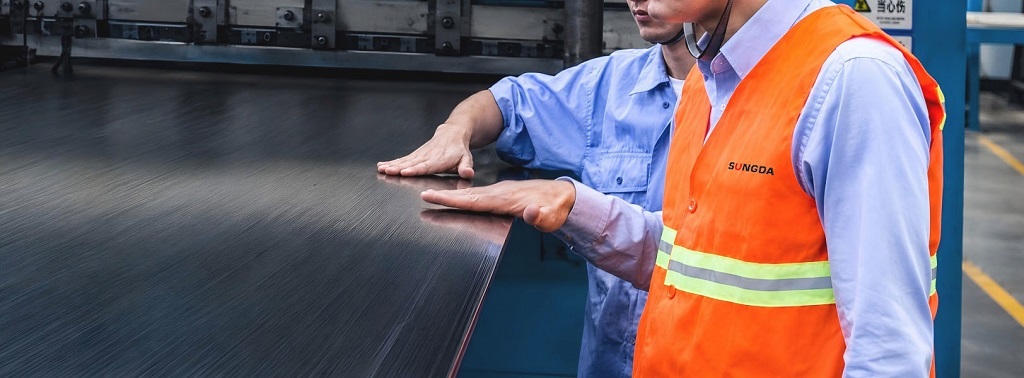
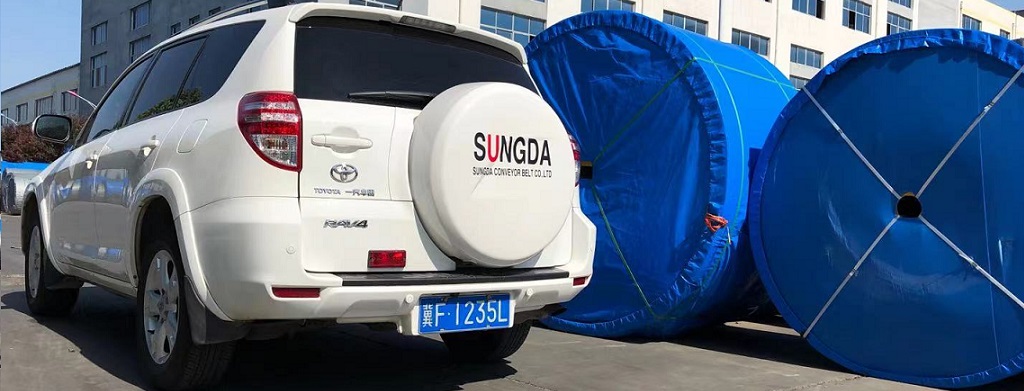
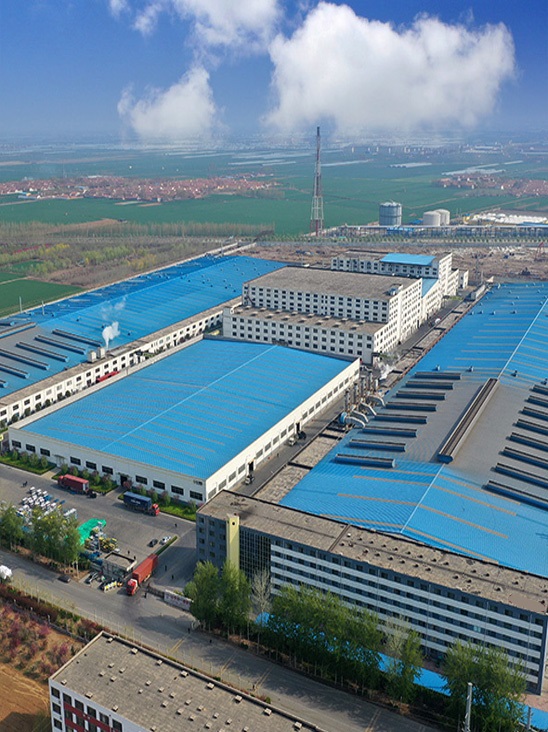
SUNGDA Conveyor Belt Vulcanization Workshops

Tags: acid and alkali resistant belt,animal fat,cement conveyor belt,clinker,coal handling,EP conveyor belt,EPDM,Heat resistant conveyor belt,NBR,NR,oil resistant belt,ozone resistance,Rubber conveyor belt,SBR,UV resistance,vegetable oil
Related Products
-
What Are the Tensile Strength and Elongation in Rubber Conveyor Belts?
No. -

What Are AS, ASTM, and ISO Standards for Rubber Conveyor Belts?
No. -
What is the adhesion strength of a conveyor belt?-SUNGDA
No. -

How to Convert PIW Conveyor belt to EP Belt?
No. -
7 Common Causes of Conveyor Belt Tearing and What are the Preventive Measures?
No. -
The Top 5 Rubber Conveyor Belt Manufactures in China 2026(with website & contact info)
No. -
How to Choose Right EP Conveyor Belt –SUNGDA Group
No. -
EP Rubber Conveyor Belt
No. -
Pipe (Tubular)Conveyor Belt
No. -
Heat Resistant Conveyor Belt
No.